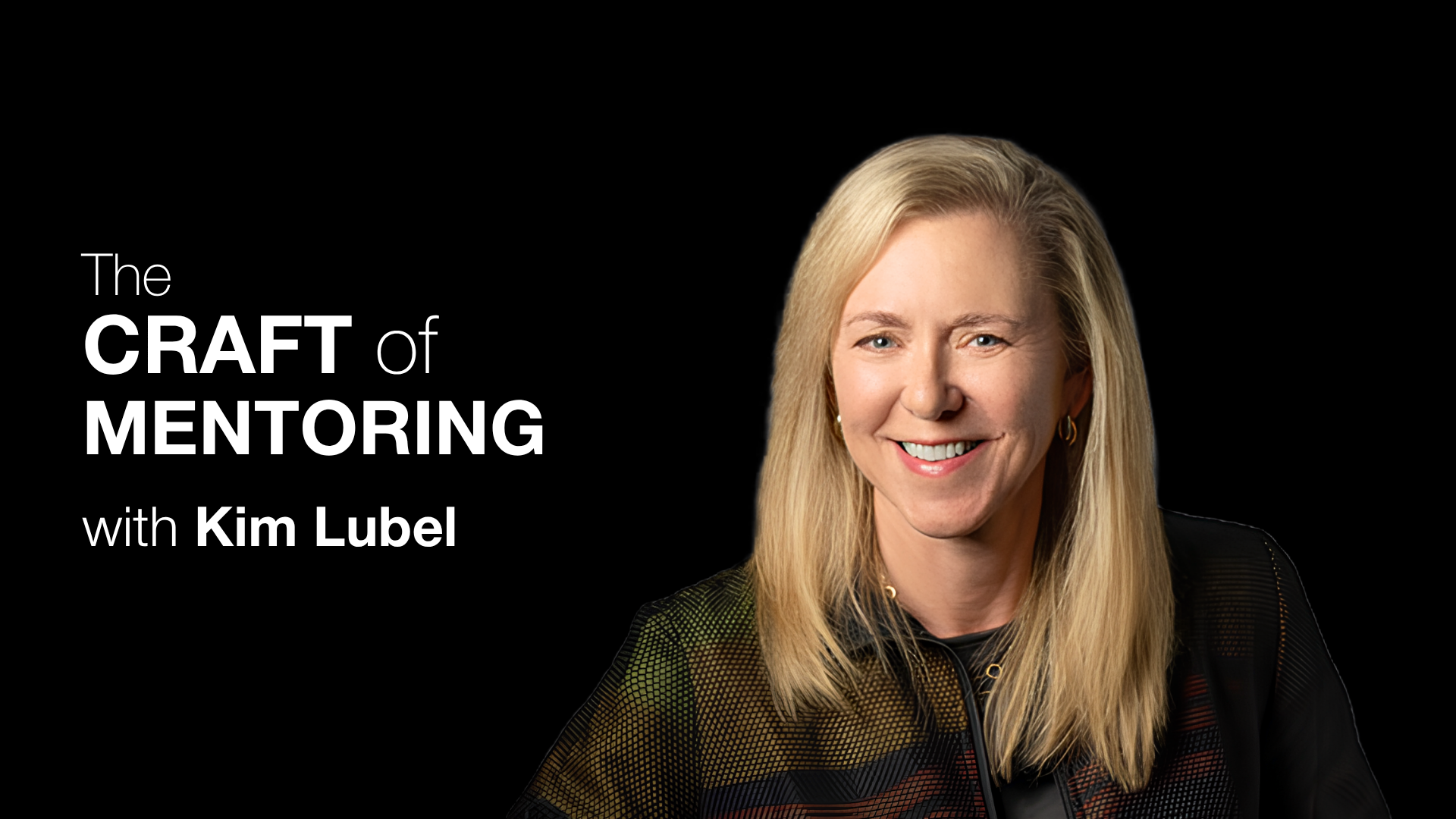
Kim Lubel, former Chairman and CEO of CST Brands, and a mentor and coach at The ExCo Group, shared her insights with Adam Bryant. Key themes include the power of lived leadership experience in effective mentoring, the importance of being visible and present as a leader, and why taking care of yourself is essential to taking care of others.
Bryant: What do you consider to be the secret sauce of effective mentoring?
Lubel: The fact that we have “been there, done that” is a big part of it. When I was a CEO, I had an executive coach assigned to me who was a PhD industrial psychologist. She was great, but she hadn’t been a CEO herself, so there were limitations to how much she could help me.
Because I’ve been in these leadership roles myself, I can say that I’ve seen this situation before, and this is how it turned out. That helps the client a lot. When I’m asked about coaching, I often joke that at least we get to correct the mistakes we made before. Learning from mistakes and being able to share those lessons with clients is a great way to help them avoid going down certain paths.
Being a good listener is important, too. If a client is having a really bad day, they can call me, and we’ll talk through it and unpack it and figure out what we’re going to do next. It just gives them a safe space to say the quiet things out loud. The CEO job is lonely, which I didn’t fully appreciate until I became a CEO myself. Having a thought partner who you can also vent to is a huge help.
Bryant: Are there certain tools or frameworks that lead to the biggest unlocks for you?
Lubel: We do a lot of interviews up front to understand how others see our clients. What people tell me in those conversations is so much broader than you get from people just filling out feedback forms. I wish I’d had that quality of feedback when I was CEO, because I would have been a better leader at the time if I’d known what people were really thinking.
The patterns that come out of those interviews help clients understand how they’re coming across versus how they want to come across, and where they need to spend most of their time to become a stronger leader.
Here’s an example of how that feedback was helpful. I had one client who had risen up in the organization and became the leader of his former peers. The client thought he had great relationships. But the feedback I heard from the interviews was that he was spending a lot of time in his office because he was constantly busy and had a really big job.
One of the simple fixes we made was to have his EA schedule his conference calls in different conference rooms on different floors, so he at least had to leave his office and walk to different parts of the building. He told me it was a game-changer because it forced him to get out of his office and see people. When you’re in these leadership positions, people want to see you. They just need to know you’re present.
Bryant: What’s the best lesson you’ve learned from one of your mentors over the years?
Lubel: Earlier in my career, I was lucky to work for a CEO who was super-supportive. I was about the same age as his daughters, and he was very comfortable pushing me into places that I didn’t think I could go. But I never felt abandoned — he was supportive as I made mistakes and figured things out.
The biggest lesson I learned is just how important it is to take care of ourselves so that we can be good leaders. When I was in my 40s, I had skipped my executive physical for a few years in a row because I was just too busy. I had three kids. I figured I’m healthy, I’m young, and I’m not worried about it.
Finally, he came to my office and said, “Kim, you’re not going to get your year-end bonus until you go to your physical.” That woke me up, and thank goodness he did. I was diagnosed with early-stage breast cancer. Had he not pushed me, I wouldn’t have caught it that early. I went through a fairly easy treatment and have been cancer-free ever since.
It was a powerful lesson about the importance of taking care of ourselves, and also that we need to invest and care enough about the people who report to us to push them to make sure they are taking care of themselves, as well.
Bryant: What is the wisest thing that you’ve ever read, heard, or said in the context of leadership?
Lubel: I’ve worked with a couple of clients who were being asked to take on a leadership role in businesses that had been in the family for two generations. They would be the third-generation leaders, and they were dealing with all these expectations from everybody around them.
So I said to them, “Cut out all that noise. Don’t worry about what anyone else thinks you should do. What do you really want? Do you really want to be CEO for this business, or is there something else you really want to do?”
It’s important for anybody moving into a leadership role to ask themselves that question: what do you really want versus what people want of you? If you can get alignment on what you want and what the company wants from you, you will be a more effective leader.
Bryant: Given this challenging leadership environment, are you having different kinds of conversations with your clients these days?
Lubel: There’s always been a level of chaos in the world, but it feels heavier now than it has in a long time. It can be tempting for some leaders to throw up their hands and say, it’s just too chaotic to think about a longer-term plan, so we’ll just work on our shorter-term operating plan.
The reality is that no strategic plan is ever going to play out the way you expect. But you have to have a direction to be able to adjust along the way. Just because it’s difficult and chaotic does not mean you shouldn’t try and have a North Star you’re headed toward.
Recent








 English
 English (UK)