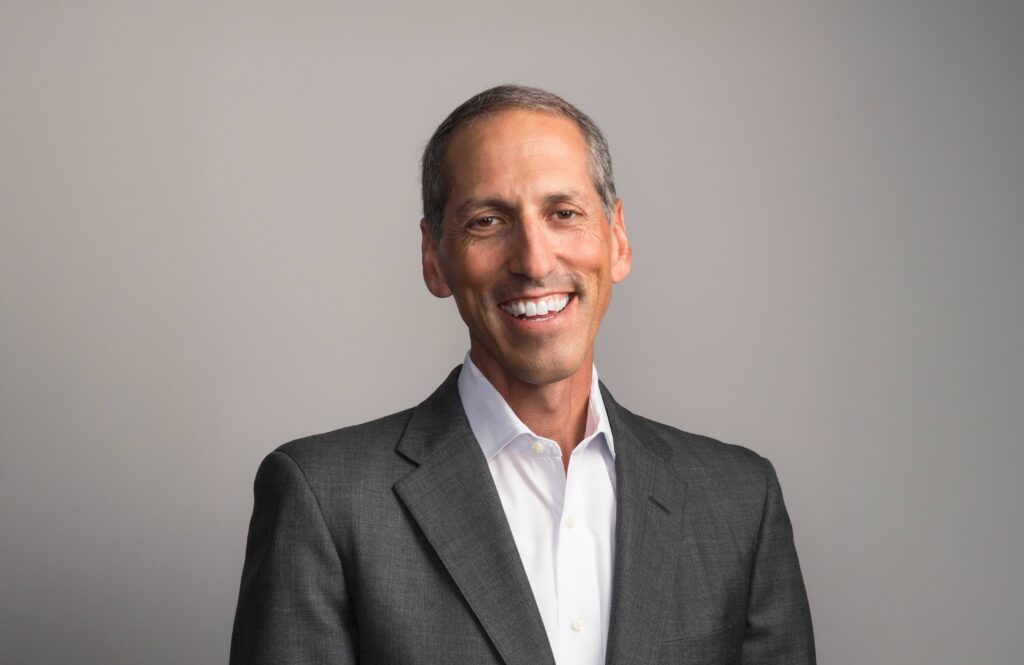

Victor Riparbelli, co-founder and CEO of Synthesia, shares his leadership philosophy in this conversation with Adam Bryant. He discusses fostering a culture of open debate and disagreement, hiring for curiosity and product-minded thinking, and the challenges of getting honest feedback as a CEO.
Q. What values are core to your leadership style?
A. I’m very informal and, I would hope, very authentic. To the extent that I can, I try to be the same person when I’m on the job as when I’m off the job. I’m very honest with people, and I prefer to discuss rather than give orders. I love a good debate. I love to be challenged. And I love to be proven wrong.
At work, I like having conversations where people can just riff with me and share what comes to mind. You have to set the tone so that people understand that I’m not going to hold anyone accountable for some idea that turns out not to be right. Sometimes I have meetings without agendas. They drive some people absolutely crazy, but I love them. I love to see what comes up if I don’t say anything and just let people talk.
Q. What were early influences that shaped your approach today?
A. I have a rebellious gene, and that showed up early when I was a kid. My default approach is that when people tell me something, I tend not to believe them or take what they are saying at face value. That’s not because I think they’re not smart, and they in fact may be right. It’s just always been my nature to question everything.
It drove me crazy in school when teachers would tell you what to read and what you should learn. I hated that. I’ve always been much more driven by learning things that interest me and seeking out different points of view. I’ve always been very curious.
From the time I was a kid, I’ve loved reading books, tinkering with my computer, and spending time on the Internet. I have a lot of interests, and I know a lot about a lot of things. I love to put a lot of strange content into my brain. If you explore different ideas across many topics, it helps you connect dots in new ways and come up with interesting ideas.
Q. What was the best lesson you learned from your worst manager before starting your own company?
A. I didn’t spend much time in the corporate world before starting my company, but I definitely saw some leadership styles that I don’t want to replicate. One boss was extremely proud and always had a facade of knowing the right answer.
That drove me crazy, because he didn’t have the right answer most of the time, and it wasn’t an environment where we could have open-ended discussions. It’s always been important to me to hear everyone out, even the people I vehemently disagree with. I want to understand and be able to articulate their point of view before I disagree with it.
Q. How do you hire?
A. Because curiosity is so important to me, I look for people who like to discuss ideas, and people who are disagreeable and default to wanting to push back. I also look for people who are product-led. Our product is easy to use, and you can try it for free and create a video immediately.
If you show up to a job interview with me and you haven’t tried the product, we’re not going to have a second interview. I ask people for feedback about the product, and the level of detail you go into is going to be directly correlated to how much I value your insights.
I would much rather have you tell me about ten small things you didn’t like in the product than pontificate about the future of AI and work and video. Details and being concise matter a lot to me.
Q. You said you like people who are disagreeable. But there is a balance there—some people are just difficult.
A. When you’re running a company of this scale and size, it can be hard, because of my CEO title, to get the truth out of people. I know the people in the company who will tell me the truth to my face. As much I would wish it were different, most people in the company will tell me what they think I want to hear. They’ll agree with me and say, “That’s a great idea, Victor.”
I actually don’t want to hear that. I want people to say, “I think you’re wrong and I think you’re making a mistake.” I may still make the same decision, but I love it when people disagree with me. I really thrive on that. I need people who will give me a reliable read on what is going on.
Q. If you were hiring somebody and you could only ask them one question, what would that be?
A. What’s the last thing you learned? And then I would ask them to give me a five-minute lecture on it. That will help me understand how deep they went on a topic. And it could be anything. Maybe you learned how to play the harp. Maybe you went deep into ChatGPT on some topic. Your answer will tell me about your curiosity and your ability to communicate.
Q. What do you consider to be the hardest part of leadership?
A. People. You realize, when you’re in a role like mine and as the company gets bigger, that a business ultimately is a bunch of people who are good at different things, who think in different ways, who have different tempers and different communication styles. Getting everyone to work together and row in the same direction is much harder than I thought it would be when I started the company when I was 25.
It’s nothing profound, but I think that people are the hardest part of running a business. And so you have to figure out a way to bring out the best in people, because the core DNA of any good business is good people.
Recent