
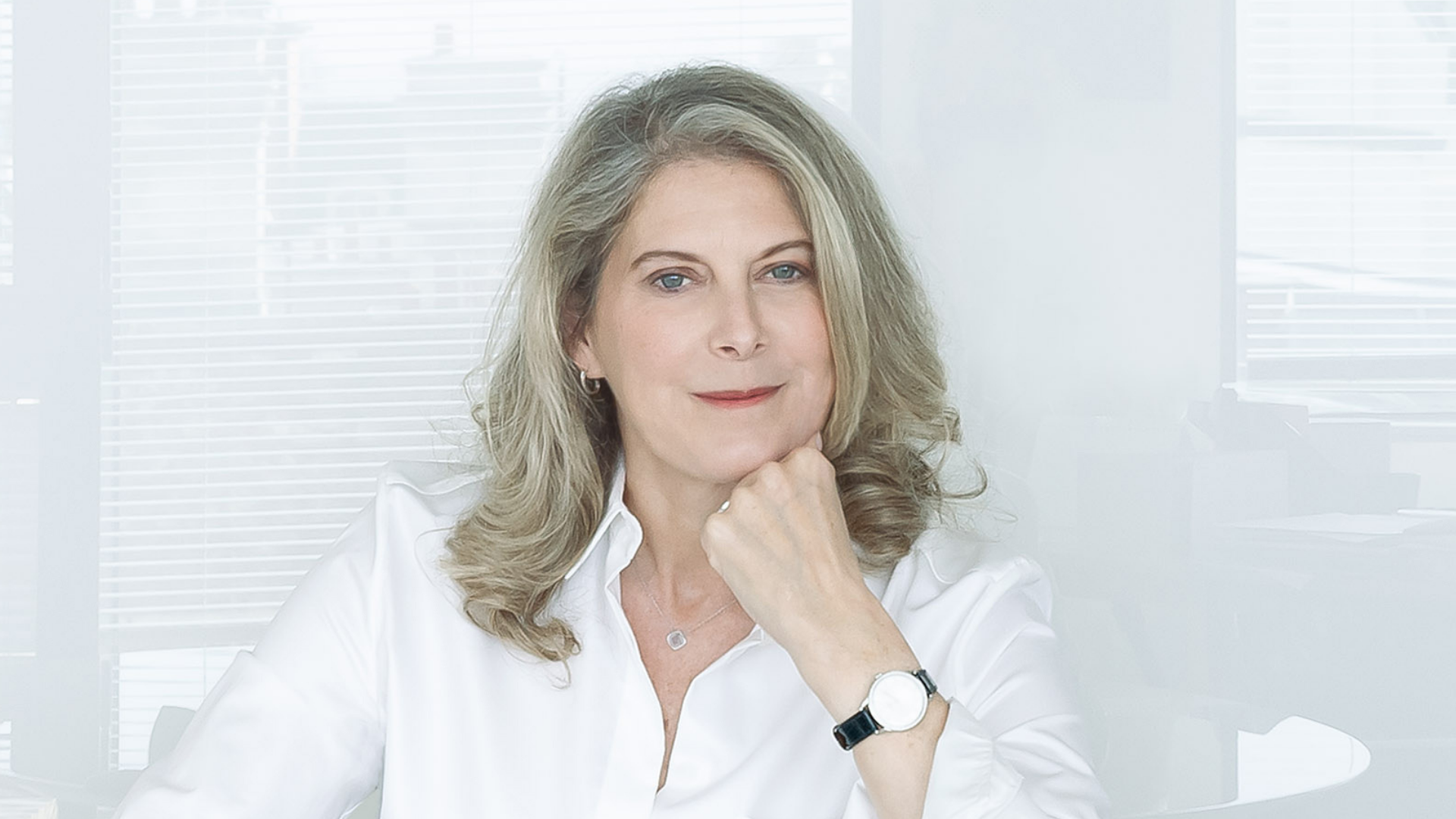
Sharon MacBeath, Group Human Resources Director at Hermès, speaks with Adam Bryant and David Reimer about navigating leadership through crisis with humanism as a compass, recognizing that you can’t think about your job and even time in a linear way, and overcoming self-limiting beliefs to unlock full leadership potential.
Reimer: What issues are top of mind for you these days?
MacBeath: We have stores in the Middle East, and we have about 500 employees in the region. So there’s the immediacy of that conflict. And during the seven years I’ve been at Hermès, we also closed our stores in Russia after the invasion of Ukraine, and before that, we were dealing with the pandemic.
All those crises have created leadership challenges for navigating an increasingly complex world that also includes the rise of AI. But they also bring home the importance of having humanism—and putting the care of your people first—as a compass in leadership.
Bryant: As a CHRO, you have so many responsibilities that must seem overwhelming at times.
MacBeath: You have to recognize that you can’t think about your job, and even time, in a linear way. It’s more polychronic. In addition to dealing with the crises of the moment, you have to be working on a longer-term and more strategic time frame, often at a more conceptual level.
To be successful in these roles, you have to find motivation and stimulus from the ability to do both. That tension—dealing with the short-term and the unpredictable, while also making space for longer-term strategic issues—is how you find that resiliency and stimulus for new thinking.
You also have to be able to delegate and push stuff out. You can’t pretend to deal with everything. You have to be able to take what’s less important off the table. At the beginning of every year, the HR leadership team identifies our three or four priorities that will help drive the overall strategy of the company. That helps me know that, even with everything else that’s going on, we are still moving forward on those key priorities.
Reimer: What are the X factors that you look for in your best leaders?
MacBeath: One is the ability to navigate complexity and deal with dilemmas. That includes being able to hold two contradictory ideas in your head at once. And that also means the ability to change course because circumstances can change quickly. And you have to be able to navigate ambiguity with partial information. At a senior leadership level, that’s essential.
Humility is also important. More and more, we are dealing with situations, such as technological developments or demographic shifts, that mean we don’t have the answer. So let’s keep some humility, and even better when it’s done with self-deprecating humor.
We can’t have leaders whose approach is too black and white—the kind of people who think that, because a certain approach worked in the past, it will work again. We need people who are willing to constantly question ways of doing things.
Bryant: How do you test for those things in a job interview?
MacBeath: I’ll ask about how they dealt with certain situations. What’s the most complex situation you’ve had to deal with? What did you learn from a failure you had? I’m looking for some real depth in the answers, rather than people shying away from talking about when they had to deal with big and difficult issues. I also listen for how much they talk about “I” rather than “we” when they talk about their successes.
Reimer: What were early experiences that gave you a level of comfort with a messy world?
MacBeath: My parents put a lot of trust in me to do the right thing and gave me a lot of freedom at a young age, which gave me a lot of self-confidence. I moved to Paris from Scotland when I was 21, with just 70 pounds in my pocket. I wanted to live here. At that age, you don’t know what you don’t know, and I made my path from there. I’ve also been lucky to have had managers early in my career who placed a lot of faith in me.
Bryant: In all the coaching and mentoring that you’ve done over your career, are there certain themes that come up more often than others?
MacBeath: There’s definitely a common theme around self-limiting beliefs, and so I often push people to have a greater sense of agency and take more responsibility to make things happen. We have very high standards here, and sometimes people can find those standards paralyzing because they’re not sure they can live up to them. They can have trouble expressing their full leadership intent. So I encourage people to listen to their intuition and to experiment and try things.
Reimer: What do you consider to be the hardest part of leadership?
MacBeath: The hardest part of leadership is feeling that you’ve let somebody down—feeling that you’ve not lived up to the trust that’s been placed in you, in your leadership role. That means you’re putting pressures and expectations on yourself for clearing the bar every time.
Recent