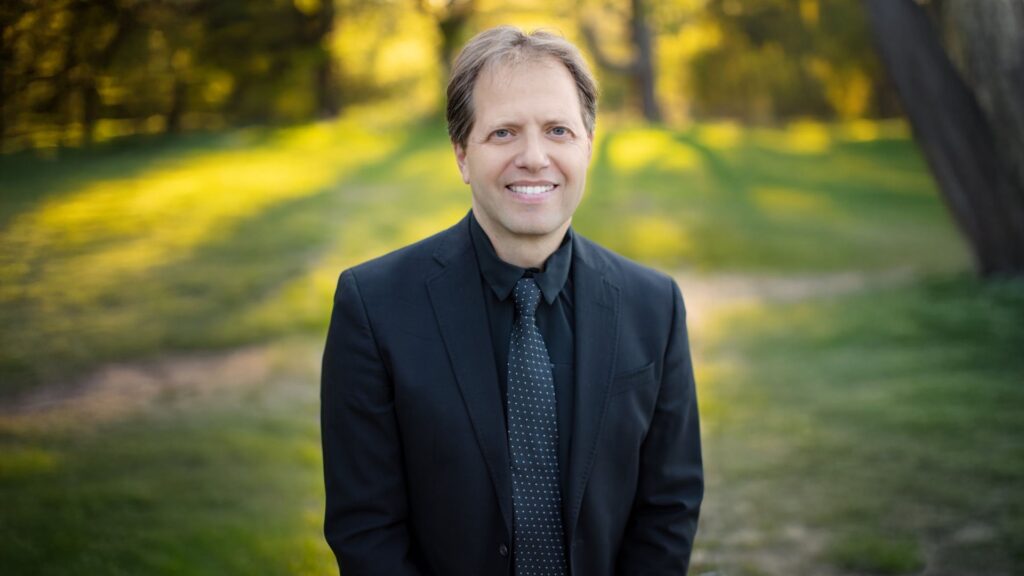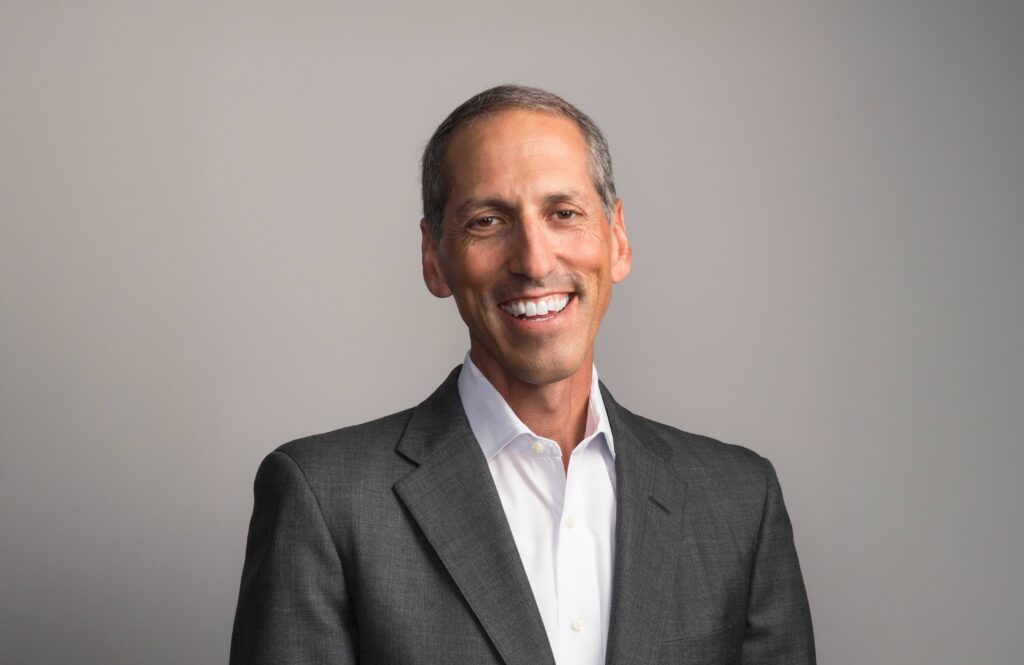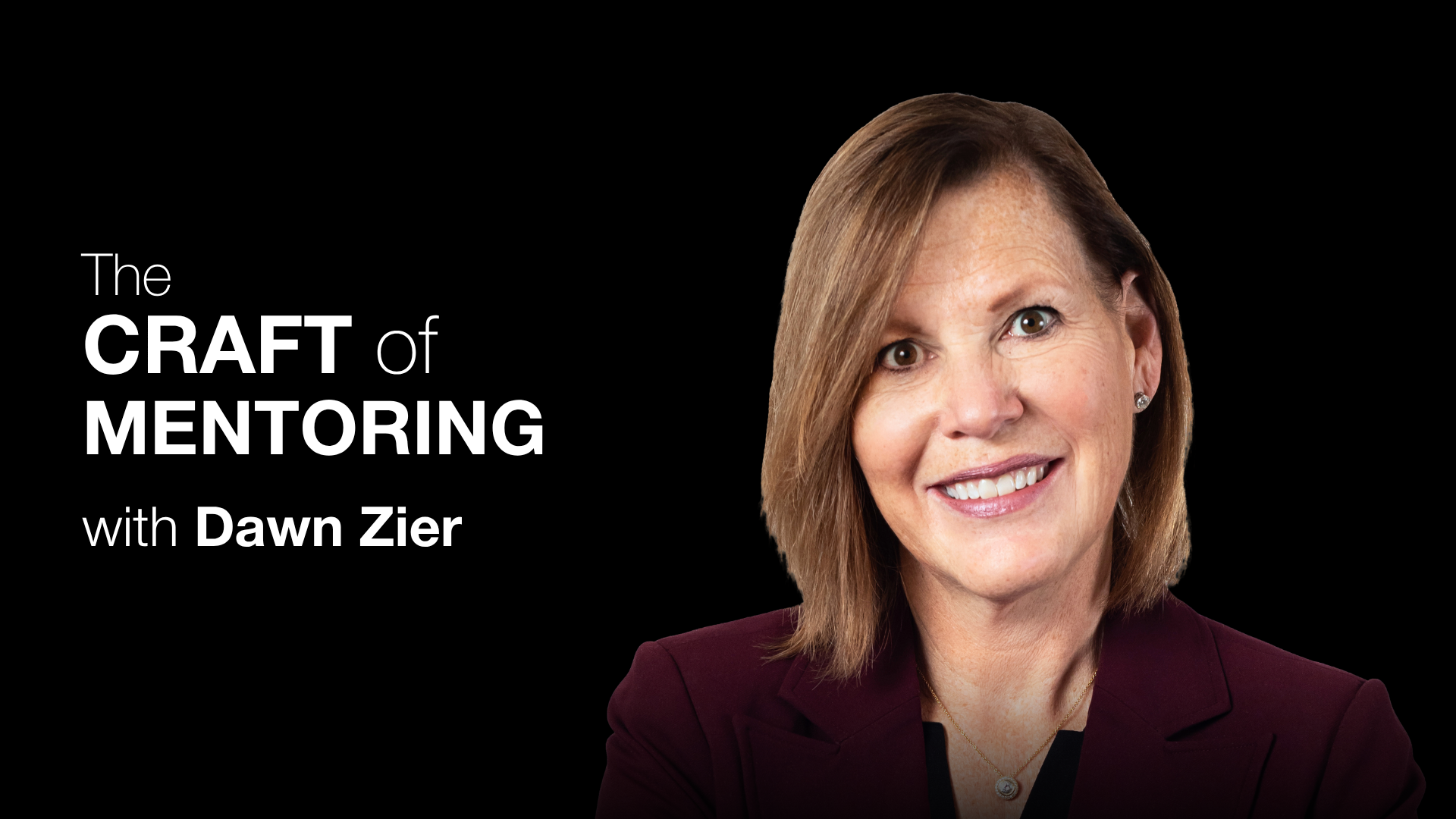
Dawn Zier, former CEO of Nutrisystem and board chair at Hain Celestial Group, and a mentor and coach at The ExCo Group, speaks with Adam Bryant about building trust through shared experiences, the power of relationship mapping in matrixed organizations, and helping leaders control the controllables in an era of compounding crises.
Q. What are the X factors of effective mentoring?
A. Shared experiences are important. Because of all that we’ve done over our careers, ExCo mentors can relate to what our clients are going through—maybe not their exact situation, but we’ve seen a lot that is directly and operationally relatable.
It does come down to building trust. I start every engagement by saying that my goal is to earn a spot on my client’s speed dial—meaning that you call me if something good happens, you call me if you need help with something, and you call me if you’ve just had a bad day and want to vent.
The world also is more complex than it’s ever been, so focusing on simplification and on what’s controllable is critical. I’m an engineer by training, and that teaches you how to take really big problems and break them down into bite-sized chunks. It’s a balance—we have to help them control what’s controllable while also helping them see around corners.
Q. Is there a tool or framework that you use that tends to lead to the biggest unlocks?
A. I focus a lot on what many people call stakeholder mapping, but I call it relationship mapping because, at the end of the day, it’s relationships that make or break outcomes. Stakeholder mapping sounds a little transactional to me, while relationship mapping is more encompassing.
It is more nuanced, because you can never do things just by yourself. There are things you need from others, and there are things they need from you. The skill of finding the win-win is increasingly important in matrixed organizations.
Q. Can you share a story about a particularly tough conversation you had to have with a client that ultimately ended in a good place?
A. We work with very senior people, and their time is important, but sometimes they don’t respect that other people’s time is just as important. This is a conversation that I’ve had with many executives. Are you always breezing into meetings 10 minutes late? Are you cancelling others at the last minute?
If you do that consistently, it comes across as dismissive and arrogant and signals how you value others. It also can indicate a hyper-focus on the “problem of the moment” rather than a more thoughtful approach to time management and protection.
Q. What’s the most powerful lesson you learned from one of your mentors?
A. The most powerful advice I was ever given was not to be afraid to step out of my comfort zone. There are different power positions in leadership, and one of them is the power of influence. At one point in my career, I was asked to take on a more cross-functional role, which was a departure from all my previous roles with direct P&L responsibility. I resisted the new role at first because I saw myself as a P&L owner.
The CEO at the time said to me, “You are such a strong operator, but you need to learn how to influence more because when you become a CEO, it’s about influence. When you sit on a board, it’s about being able to influence others. You have to bring people along and create that followership.”
He was right, and it required me to adapt and learn new ways of working. In hindsight, it was one of the best things that ever happened to me from a career perspective. It definitely prepared me to be a stronger CEO and a productive board member.
Q. What is the wisest thing you’ve ever read, heard, or said in the context of leadership?
A. Something that I’ve said to people at all levels is, “You’re not a tree. You can move.” It’s about empowerment and not having a victim mentality. We often hear people complain about their situation or things that are happening to them, and they think they can’t change. But my message is, you are in charge of your own career. You can walk away, and you can do something different. You can control your outcomes. Don’t abdicate that to others.
Q. Leadership can seem so overwhelming right now. How do you help your clients stay grounded?
A. I’m talking to my clients about how they are creating urgency in their organization. Are they creating manufactured and reactive urgency, which is chaotic and can lead to burnout? Or are they creating a culture of healthy urgency that is more sustainable, productive, and intentional?
Part of that tone is set by how you react to what is happening in the world. You have to find a healthy way to lead through these times where there’s so much disruption and ambiguity. Crises used to be sequential, and now we’re seeing multiple things piling up at once that are creating multi-dimensional crises. There’s no playbook for this. You have to eliminate the noise and focus on what is going to make a difference and what is going to be productive. It’s about controlling the controllables.
Recent