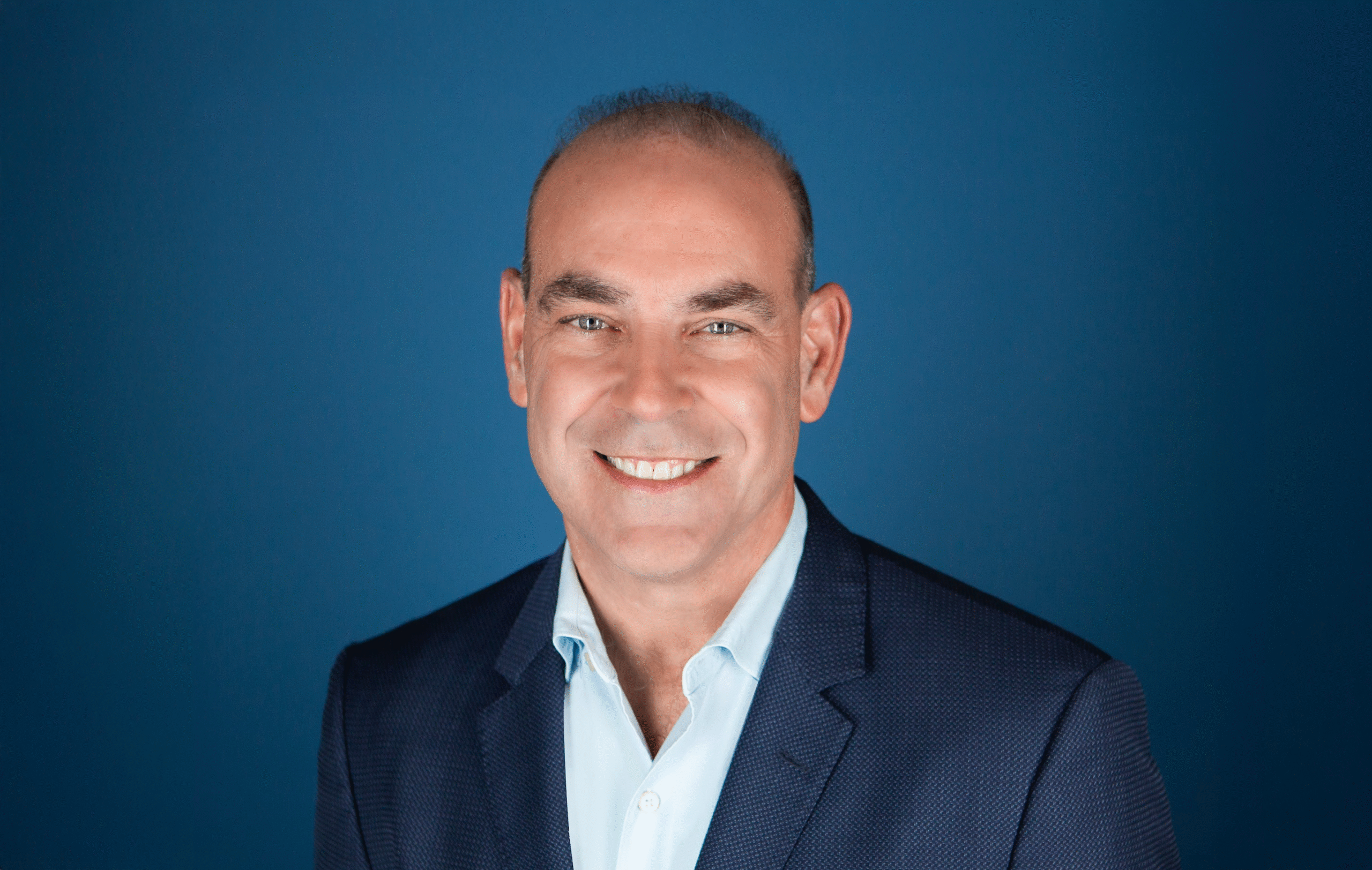
In this Director’s Chair conversation led by Adam Bryant and David Reimer, CEO of The ExCo Group, veteran board director Jack Lazar, shares candid insights on how board work has intensified dramatically, why directors risk becoming “a mile wide and an inch deep,” and what separates exceptional leaders in an era of AI disruption and geopolitical uncertainty. Lazar, who serves on the boards of Box, Astera Labs, Global Foundries, Resideo, and Tonal, discusses why he favors founder-led companies, reveals his memorable leadership acronym, and explains why empathy and appreciation remain underrated board qualities.
Reimer: How has the role of directors changed compared to, say, 10 years ago?
Lazar: Boards are a lot more work than they used to be. When I was an operator, my audit committee meeting would last about an hour. It was quick and easy. I was the CFO, and it was basically me telling the board about the quarter, and maybe raising a couple of accounting issues.
But at one of my companies where I’m a director, we recently had a three-and-a-half hour audit committee meeting, with a separate meeting during the quarter on cyber risks. We’re also having to spend more time on government issues now, which is kind of ironic, given that we expected fewer regulatory issues with this administration. But now we spend more time on government than we’ve ever spent before.
These things are all adding up, and I think we are losing a bit of our focus in the boardroom. There’s too much to go after, and not enough focus on some of the key issues that are driving the company. With so many issues to deal with, we’ve become a mile wide and an inch deep. I want us to go deeper in a few places.
Bryant: What is your rubric or criteria for deciding which issues need greater focus?
Lazar: I’m looking for things that aren’t going to disrupt our business today, but that are going to disrupt our business five years from now. AI is a great example. It may not be changing your business today, but if you’re not set up to take advantage of AI in five years, you’re going to be toast.
Government and geopolitics are another example. I grew up as a globalist. I was CFO of companies that operated all around the world. Government wasn’t something that you had to focus on, because globalism wasn’t likely to change. But we’ve flipped the switch to nationalism. That is something you have to take into account by thinking through a lot of different scenarios.
Reimer: What other issues are top of mind for you these days?
Lazar: It’s hard to know how the impact of AI is going to play out. But let me share an example from one of my companies where I’m a director. Three years ago, the CEO said, “This is a big deal. We need to be great at this. And I am going to be great at this. I’m going to be a great leader in this space.”
A year later, he was making all sorts of changes, both to the product and the way in which we operated. It became very clear that it was going to be expensive to offer these AI capabilities as part of the product. And at one board meeting, I said, do we need to take cost into consideration when we’re mapping out the product? And he said, no, we don’t, but we need to be fast and then we’ll figure out the cost later.
He was right. When you have a fundamental change like AI, you really do have to stake out a leadership claim in your space and then trust that you’re going to figure out the cost side of things. This is why leadership is so important.
Bryant: What are the X factors that separate the best leaders right now?
Lazar: I’m very partial to founders. I have been for a long time, and that comes with all the baggage that sometimes comes with founders. I’ve had to let founders go. I’ve seen other founders who have done a fantastic job over time. The reason I’m partial to founders is they tend to think a little bit differently. They don’t just accept incremental growth. They look for the big things.
But as I’ve thought about leadership over the years, I developed an acronym that, ironically, spells out SHITTY.
S stands for a sense of urgency. They’re actively involved in the business and getting things done.
H stands for how. How are you going to get it done? How do you enable a team to operate effectively?
I is integrity. I have zero tolerance for people who want to fly close to the flame when it comes to integrity.
The first T is technical expertise. You’ve got to be an expert at something, and you should be better at something than anybody else I’ve met.
The second T is talent. Great CEOs can attract great people, and that usually builds on itself, with those people attracting other A players.
And the Y stands for You versus Us. It’s about having low ego. I need people who aren’t in it for themselves. They’re in it for us, and they’re trying to accomplish great things as a team.
Reimer: What are some crucial tests that you use to decide which boards to join?
Lazar: What I care most about is the people who are in the room. I want to know that they are like-minded, which doesn’t mean they have the same opinions. I can’t stand big egos. The board needs to understand that we are not operators, and the big-ego problem tends to show up when people move outside their swim lane. Our job is to empower the operators to do the things they need to do, and we need to ask questions that perhaps they aren’t thinking about.
Bryant: What were important early influences that shaped your leadership style?
Lazar: Earlier in my career, when I was 28 years old and controller of a company, my CFO relied heavily on me to make sure everything was right. There was a particularly tough stretch when he was away, and I was working until midnight every night to get everything done. After we reported our earnings, he called me into his office and said, “I want you to take your wife to this restaurant in Mountain View tonight. Just tell them I sent you.” And they completely took care of us, and I never pulled out a credit card.
The lesson was about the importance of showing empathy and appreciation for what I had done. And I’ve done the same thing for others many times—arranging a car to pick them up and take them to dinner with their spouse, on me. Little things like that make a huge difference.
I am very thankful to people for the work they do, and I tell them all the time, and that includes members of the leadership team and fellow board members. Boards can become so focused on what’s wrong or what could go wrong that we sometimes forget to say, hey, you guys did an amazing job with this.
Reimer: What do you consider to be the hardest part of leadership?
Lazar: The hardest part is understanding the different needs that people have. Everyone is motivated by different things. Some people need to make a lot of money, some people need to change the world, and some people just need to pay the mortgage. That takes a lot of time and effort, and when you’re choosing the right leaders for a company, you have to ask a lot of probing questions to understand their motivations and whether they’re the right people for the role they’re in.
Related to that, when you don’t have the right person in a role, you need to fix it fast. Sometimes people have accomplished a lot, but they’re just not the right person for the next stage of the company. And that’s hard, because I tend to like the people I hire.
Recent