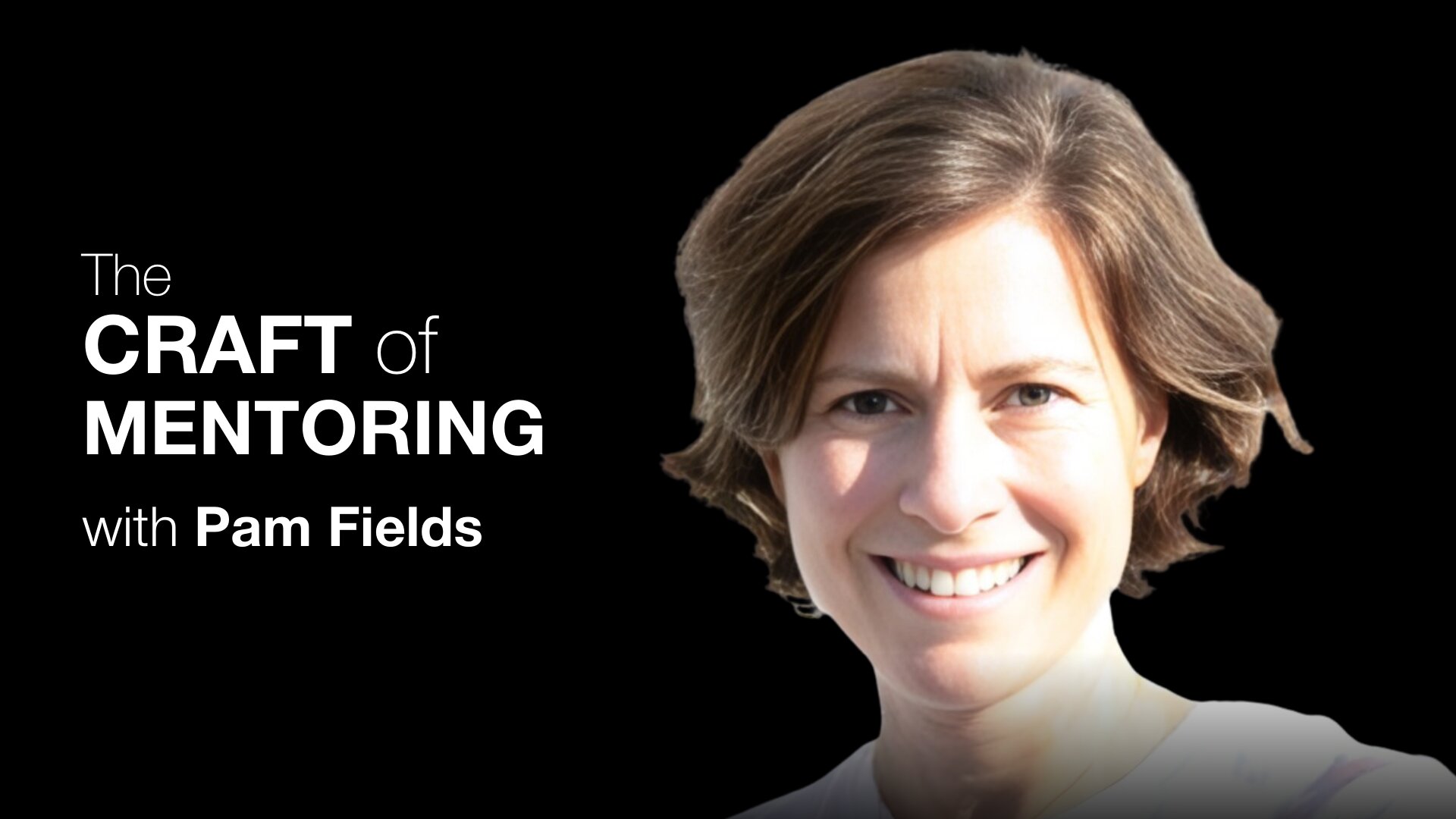
Pam Fields, former CEO of Stetson Worldwide, Inc. and ZoCo Holdings, LP, and a mentor and coach at The ExCo Group, shares insights with Adam Bryant on being direct and prescriptive in coaching, helping leaders recognize blind spots that derail their effectiveness, and the wisdom of avoiding excess in any direction.
Q. What are the key to being an effective coach for you?
A. I can tell you that I’m not Socrates. I don’t engage in a million questions to try and get someone to come up with their own answer, because no one has time for that in a fast-moving world. I’m very prescriptive, direct, open, and timely with my feedback.
As just one example, I will sometimes say, “And you thought that was a good idea? Why?” It brings them up short, and it forces them to sit back, explain their thinking, and figure out what they might have been taking for granted that led to a bad outcome. It helps start a conversation about how they might have a blind spot, and that they should consider taking a different approach.
When I ask them those pointed questions, it’s not an attack. I know how to make people laugh, get them to relax, and consider how they might have behaved differently. After all, everyone has patterns of behavior that may have worked to help them move up the ladder, but those same patterns of behavior are not going to help them in their current or next role.
That said, they may share something that I hadn’t considered or wasn’t aware of. At that point, I might say that I buy into their thinking, but there may be some other ways to go after their goals. But it all starts with me asking a ton of questions so that I understand what they were thinking in the first place.
Q. What are the most common reasons that clients get in their own way?
A. They don’t provide enough context to the people below them about what needs to be done and why. You have to explain where we are now, where we want to be, how we are going to get there, and the resources required. It’s the why, and people too often just jump right into what needs to be done, especially when they are under pressure. They don’t appreciate that if you slow down in the beginning, it ultimately helps the team move faster.
Another blind spot is not recognizing the importance of stakeholder management as a key part of building followership. Matrixed structures in large organizations are never going to go away. So you have to invest time in schmoozing. It’s a muscle you have to develop; otherwise, you’re going to have a really hard time leading effectively. And you can’t be a “taker”—you always have to add something to the conversation.
The final one I’ll mention is not being able to prioritize to the plan. It’s not my job as a coach to pass judgment on whether I think their plan is a good plan, although I’ve been known to editorialize along the way. But if they’re telling me that they want to become the largest supplier of avocados, tomatoes, and grapes, and then they decide that they are going to go into the men’s underwear business, I will tell them that they are not doing that. You have to be ruthless about keeping your eye on the prize. That’s a challenge for a lot of people.
Q. What is the most memorable lesson you learned from the best mentor you ever had?
A. The best mentor I ever had was my grandmother—my mother’s mother. My Nana said to me that anything with the word “too” in front of it is a problem. She’s right, and she’s always been right. It’s about the importance of making sure that nothing is excessive in any direction. You want to be in control of what you’re doing and make sure that you’re not over-indexing on anything in a way that is going to get in the way of achieving your goals. It’s just great advice to live your life in a way that is not “too.”
Q. Other expressions that you find yourself repeating often?
A. As a leader, you have to stand for something. And it can’t be too many things, because then you stand for nothing. You have to have a clear point of view. You have to have a vision. You have to have context against which you apply that vision. It’s always resonated with me.
My father also used to say that people don’t remember you for the way you walk into the room; they remember you for the way you exit the room. What impression did you leave when you were there? What did you say? What did you do? What contribution did you make? It’s not just about meetings. It’s also useful to think about as you join and leave a particular job or even a company.
Recent