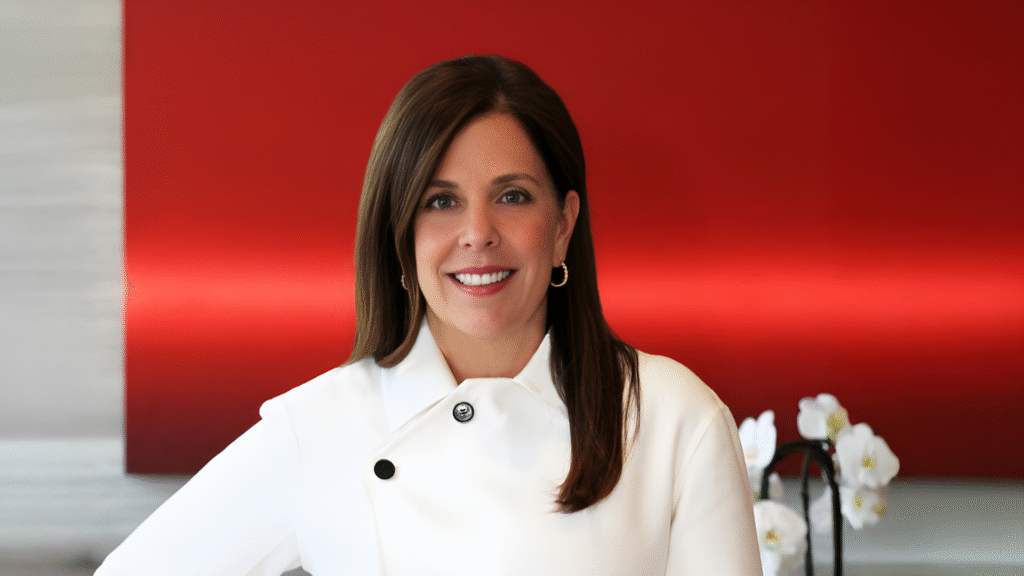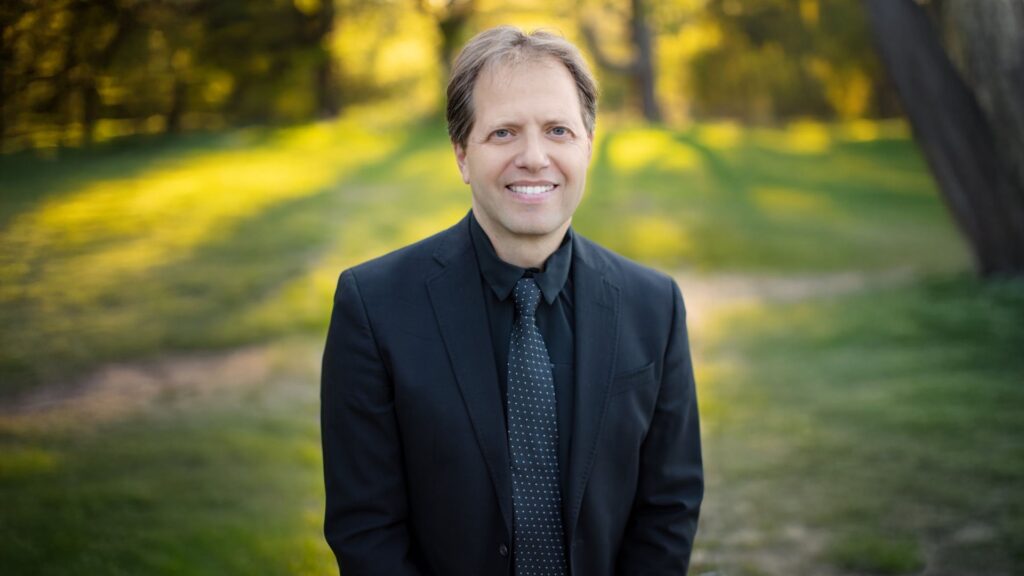
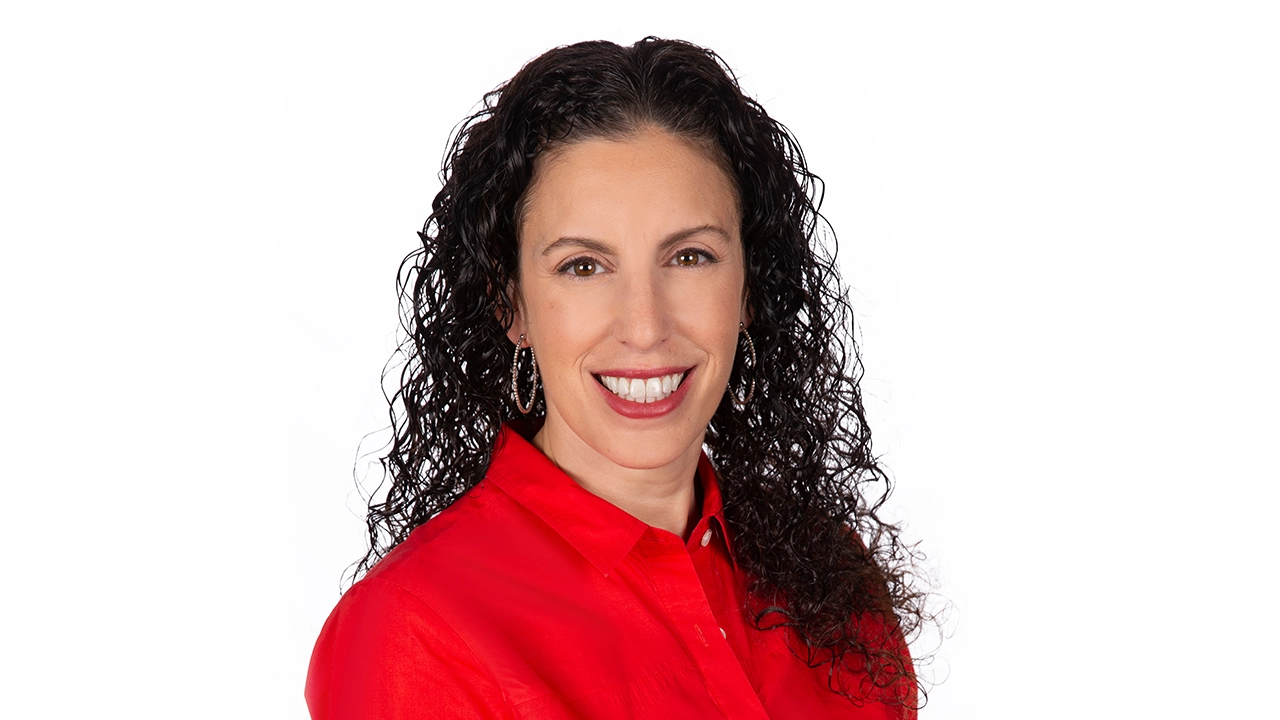
In a conversation led by Adam Bryant and David Reimer, Sarah Hofstetter, a veteran leader who is a director at Kenvue, Campbell Soup, and Profitero, shares her insights on navigating and driving change, building trust, and the importance of transparency, integrity, and candor.
Reimer: How have conversations in the boardroom evolved in recent years?
Hofstetter: I’ve been grappling with what feels like whiplash in recent years. Since the onset of Covid, it’s been one thing after another—supply chain, inflation, tariffs, AI, geopolitics, and more. It is so easy to get distracted by the headwind du jour. You have to make sure that you’re using what little time you have in the boardroom thoughtfully.
I remember when there was a big push to recruit directors who knew about cyber security and AI. But those are skills you need in management, with at least a couple of directors being experienced enough to ask the right questions. What I’ve been pushing on, more than anything else, has been company readiness for change. Any company can handle one outage or some other event, but when they come from everywhere, it’s a different story.
Bryant: So what is the playbook for getting organizations open to change?
Hofstetter: You have to figure out how to pivot the conversation from being about the issue of the day to being about the macro, about change, and the criticality of navigating it.
So many companies over the years have formed task forces whenever any change happens. But those task forces eventually devolve into just another silo. It’s not about having knee-jerk reactions to whatever the issue is of the moment. It’s more about having a mindset of what needs to be true as change happens.
Reimer: When you are choosing a new CEO as a director, what are the X factors that you’re looking for in a candidate?
Hofstetter: One is trust-building, and that’s hard to measure. Less than half of all employees trust their senior leaders, but employees actually are four times more likely to trust senior leaders when they take the time to explain why a decision has been made.
So I want to understand how they communicate and what their communication cadence is. I also want to know about their ability to navigate change. So I would ask a CEO candidate to help me understand the moments when they thought it was necessary to pivot and what they did. Finding a way to be vulnerable while still exhibiting confidence in those moments is a very difficult balance.
Bryant: In all your executive roles in your career—including at 360i, Comscore, and Profitero—your focus was on driving change, whether it was internally, in an industry, or both. That’s obviously a comfort zone for you. Where did that come from?
Hofstetter: It probably starts with my first job out of college. I desperately wanted to be a journalist. And I had some really good internships at the New York Times for two summers. I was smitten. Unfortunately, the industry was not so smitten with an entry-level person in the mid-90s in New York, when there was an abundance of talent and not many available jobs.
My journalism professor and mentor said to me that if I really wanted to be a journalist, I needed to leave New York. The irony is that I was a creature of habit on this. I grew up in New York, and I didn’t want to leave New York. I was engaged and there were a lot of things going on at the time. So I took the next best, adjacent job, which was in PR. Life is not about what gets thrown at you; it’s what you do with it.
When I was at 360i, we would often talk about why we existed. After all, there was no shortage of ad agencies. So you needed to have your RTB—reason to believe—that we were something different and worth taking a bet on as an agency. The world of advertising was changing quickly at the time, and we would say to ourselves that we navigate where there are no roads.
In all my executive roles, it was always about the next wave, and where the gap was between consumer behavior and market readiness. How do we help bridge that gap? That is my comfort zone.
Reimer: Going back earlier in your life, what were important influences that shaped who you are today?
Hofstetter: There’s a “because of” answer and an “in spite of” answer.
I learned resiliency from my grandfather. My grandparents were Holocaust survivors, and they came to America penniless after the war. He would do anything he could do to earn money. He would get a job, work from Sunday to Friday, and then his boss would ask him to come in on Saturday. But when he said he couldn’t do that because he was observant, he would invariably get fired and have to start looking for another job on Sunday.
As an immigrant Jew coming off the boat in 1947, you weren’t going to be getting a regular nine-to-five job. You were going to do whatever it took. He realized that working for somebody else was never going to be what got him a job for more than six days. So he started his own insurance brokerage.
My grandfather passed away five and a half years ago, but my father now runs that brokerage. My brother works there, my cousins work there, my uncle works there, and it is thriving in several cities. That’s the “because of” answer.
The “in spite of” answer is that I was not raised to have professional ambition. In the Orthodox Jewish world, while education is very important, whether or not I pursued a professional career paled in comparison to the importance of getting married, having kids, continuing the lineage.
My parents divorced when I was 13, and I was the oldest of four children. I was helping my mom balance her checkbook at age 13 because money management was new to her.
Ultimately, she went back to school to get not one but two master’s degrees. But that experience made me decide that I was not going to be reliant on any single human being for my financial success. So I started working at a very young age. I was never the smartest person, but I certainly was the most disciplined, and I worked very hard.
Bryant: What do you consider to be the hardest part of leadership?
Hofstetter: The loneliness. When I was CEO, it was the loneliest job. Throughout your career, you’re always part of a team. You had your boss, and if you needed a sounding board, you go to somebody else. But when you reach the top, the decisions are yours. The weight of that, combined with the sense of accountability I felt for every single employee, was exhausting.
Reimer: What’s the best lesson you learned from one of your worst managers?
Hofstetter: Unfortunately, there are too many examples of things I’ve learned from bosses on what not to do. But most of it goes back to transparency, integrity, and candor.
I am a straight shooter. People always know where they stand with me, and people generally get to know me very quickly. I just like to be a what-you-see-is-what-you-get kind of a person. Some people might not like it, but at least they know where they stand, and I know where I stand with them because of the way they reacting to my approach.
Recent