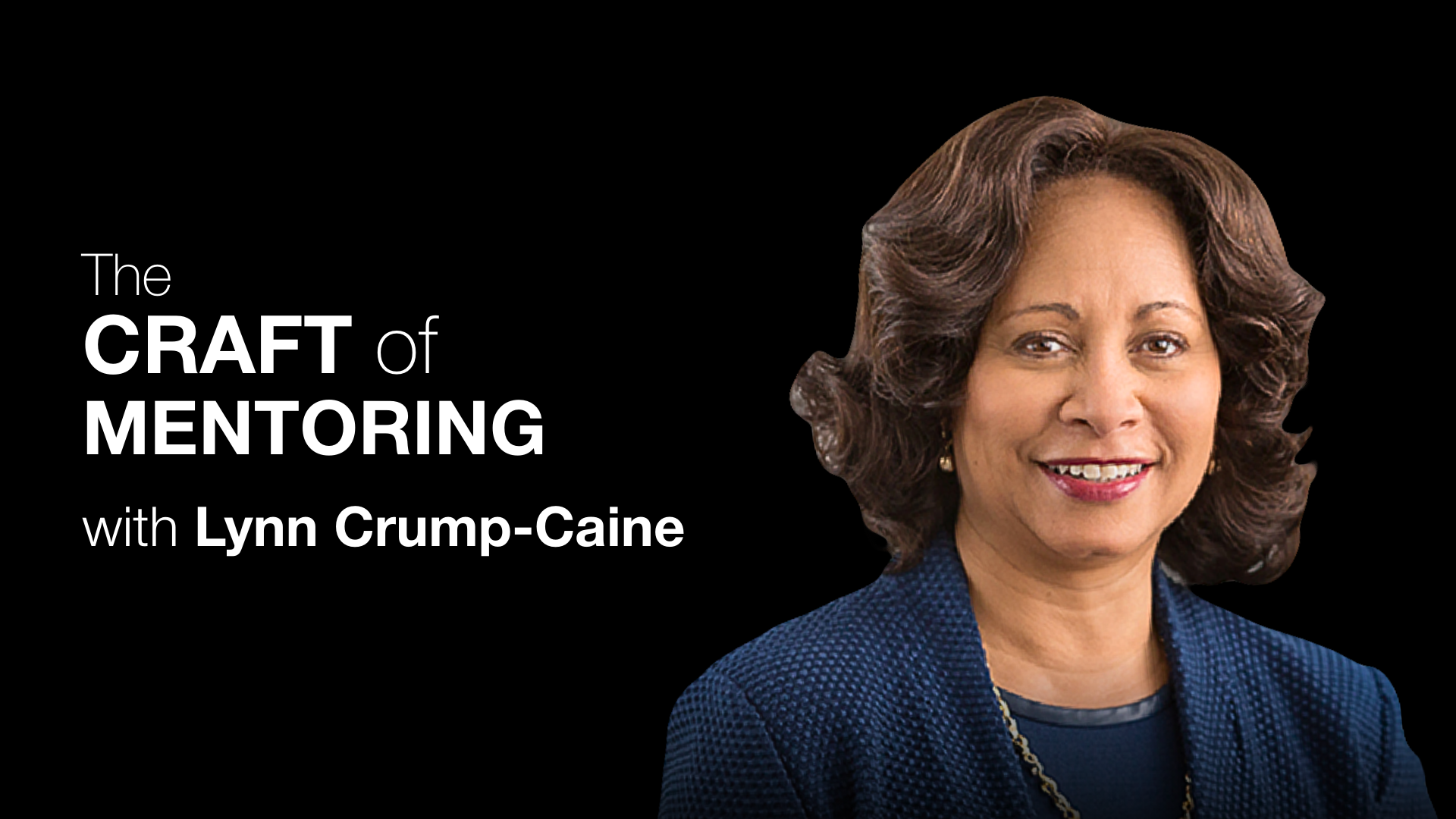
Lynn Crump-Caine, Board Chair at Wingstop, Director at Advocate Healthcare and Thrivent Financial, former EVP and COO of McDonald’s, and a mentor and coach at The ExCo Group, speaks with Adam Bryant about the importance of trust-building in mentoring relationships, why stakeholder mapping is a critical unlock for C-suite leaders, and the power of knowing yourself as an anchor for authentic leadership.
Q. What is the X factor of effective mentoring for you?
A. Trust-building. Once you cross the trust bridge, that’s when the magic happens. You can’t get into the head, heart, and soul of someone to talk about their most crucial issues if trust is not there. When you earn someone’s trust, the tenor and tone of the conversation shift. So my first objective is to earn the client’s trust, because what we’re trying to do with them, and for them, is so important that it can’t be done if they don’t trust me.
Q. So, how do you quickly earn somebody’s trust?
A. Radical listening is a big part of it. And that includes the questions you ask, how you present yourself, your body language, and tone. They should be able to look at you and know that you are listening. I also let them know that from this moment on I am here for them and I’m now part of their team.
Q. Is there a tool or framework that you find particularly effective and that leads to productive unlocks?
A. The lifeline exercise is a great opportunity to learn about someone’s background—the experiences and influences that shaped who they are today. It helps you understand why they lead the way they do, what their fears are, and why they make decisions and process things the way they do. That’s been just a real unlock in terms of building trust.
Talking with them about stakeholder management is also critical. I’ve discovered that many C-suite leaders don’t necessarily understand the value of building solid relationships with their stakeholders. They see them as peers and team members rather than as stakeholders. Going through the process of mapping their stakeholders helps them focus on the fact that they don’t get anything done by themselves. It’s also a great tool for adding more leadership clarity, and that can help leaders drive more impact and better outcomes.
As a leader, you need to understand what everybody needs and wants from you, and then build a relationship from there. With one client, I had to encourage them to invite a colleague to dinner because they did not have any kind of relationship, and they needed to have one, given the challenges they were dealing with at their company. When they finally shared a meal, they found out they had so much in common, and after that, things took off. The work got done.
Q. What’s the best lesson you learned from someone who’s mentored you?
A. “Speak and speak up.” This individual said to me years ago, “Take a risk. You’re at the table for a reason, so we want to hear what you have to say, and I’m not hearing from you enough. What you have said so far in various meetings has been on point. I don’t know what you’re worried about, but you need to take a risk and speak.”
He also told me to speak up because people couldn’t always hear me. It stayed with me. He reinforced the point that it’s not about being right all the time, and emphasized that people need to know what you’re thinking. So stop worrying, and just speak, and speak up.
Q. What is the wisest thing that you’ve ever read, heard, or said in the context of leadership?
A. It’s from Shakespeare’s Hamlet: “To thine own self be true.” As a leader, that’s just so important to remember. It’s an anchor. You’ve got to know who you are and what you stand for before you can lead others the way that you intend to, and that is appropriate. If you know yourself, you’ll be a more authentic leader, and more people will follow you because they understand your values. They understand who you are and what’s important to you. They trust you.
You have to know what you can count on from someone when the going gets tough. If you’re clear about that for yourself, it becomes your guidepost. You know where you’re going to do your best work, so you can add more value. You’ll be more confident. If you’re centered, you’ll do far better work than if you are not.
Recent