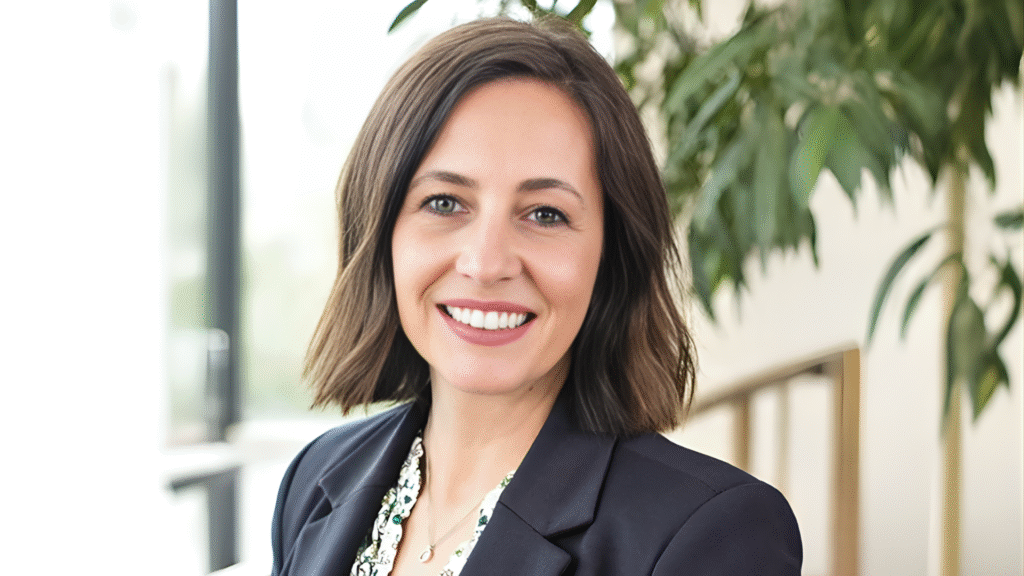

Donna Morris, Chief People Officer at Walmart, shares HR and business strategy insights, including the future of HR roles, the importance of kindness, and critical lessons for CHROs in this Strategic CHRO interview with The ExCo Group CEO David Reimer and Senior Managing Director and Partner Adam Bryant.
Reimer: What significant issues are top-of-mind for you these days?
Morris: I think technology can potentially create a fork in the road for companies. By virtue of their ability to leverage digital technologies—generative AI in particular—some companies might end up with much smaller workforces. There will still be a role for an HR team at those companies, but that role would likely be specialized in higher-level work around talent, rewards, and organizational strategies.
There will be another fork for companies like Walmart, where we firmly believe we’re people-led and tech-powered. Looking out five or ten years from now, we believe our workforce will probably still be around 2.1 million, and our revenue will grow significantly. Hopefully, we will be able to rework the workforce because of technology, which means we will end up sustaining our organizational size with different skills and capabilities.
When I look at the people function, I firmly believe that there will be some areas where we have to embrace generative AI and that it will lead to wholesale changes for jobs within the people function, too. However, the art and science of our roles have to come down to the fundamentals of helping drive the business, the organizational strategy, and the people strategy.
Bryant: What early influences helped prepare you for this role?
Morris: I grew up with two wonderful parents, and we were on the lower end of middle-class life. So, if I wanted extra things, I had to work for them. I babysat from when I was 11, and my first part-time job was at a dry cleaner at 13. Then, I moved to working at Shoppers Drug Mart when I was 15.
I have always enjoyed learning and growing and having a challenge. I get bored doing the same job, so even early in my HR career, I did a different job every two years. I have always wanted to make an impact in my life.
Reimer: Given Walmart’s size and public profile, I imagine there’s a lot of pressure to weigh in on broader societal issues. What do you think about that?
Morris: A few years ago, during the pandemic and civil unrest, we as an organization and leadership team talked about which guardrails would frame what we discussed. Where do we as an organization feel we need to lean into?
But we’re all humans, so we all have our points of view on different issues. Post-pandemic, I decided I would pick a word of the year and embrace it. At the beginning of this year, I picked kindness, and now I’ve decided I won’t change my word again. I don’t think we live in a kind environment anymore. The fact that we even have to talk about civility underscores the point that we assume that we will not necessarily be civil with each other.
So, my approach is that I want to be an ambassador for everybody. This means that I don’t want to pick a lane on anything, and I try to avoid any topic that could end up being divisive or polarizing unless it’s a stand that we’ve taken as an enterprise that’s focused on serving our customers and members and/or our associates.
Bryant: How do you hire? What questions do you ask in job interviews?
Morris: First and foremost, I always want to be clear on the three things anyone needs to do to succeed in a particular role. Second, I always ask, “What would people who know you well tell me about you?“ I’m trying to ascertain whether their personal behaviors and values align with what would be a good fit for our company.
Reimer: When you coach and mentor senior executives, what themes come up most often?
Morris: One common theme is the need to pay attention to their team’s growth, development, and effectiveness. So often, executives focus on what is being delivered but overlook how it is being delivered. How are people working with others? How are other people leading?
I think many of those discussions are about gently, or sometimes not-so-gently, putting the mirror in front of somebody to help them realize that their behaviors might not bring out the best performance in themselves or their team.
By the time people have reached very senior levels, they may have heard the same feedback before, and it can be harder to change when you’ve been working for decades. However, the areas that often have the most significant gaps, in my opinion, are the fundamentals of managing and leading people, particularly at a velocity that matches the pace of change in the world.
Bryant: What is your best advice for somebody stepping into their first CHRO role?
Morris: One, know your business as well as any of your peers because you’re a business leader who now has to tie business and people and organizational strategy together.
Two, build confidence and trust with your leader, peers, and the board so you can have a point of view for any discussion you might have with them. And can you build trust so that you can eventually consult, counsel, and frankly influence when you need to?
And three, you’ve got to love the business of people. I know that might seem obvious, but I’ve met a number of CPOs and CHROs who don’t fundamentally seem like they really love dealing with people. It makes me wonder sometimes why they’ve chosen to be in the function. That’s what this job is all about, in my humble opinion. I think it can be the best role and executive-level position.
Recent