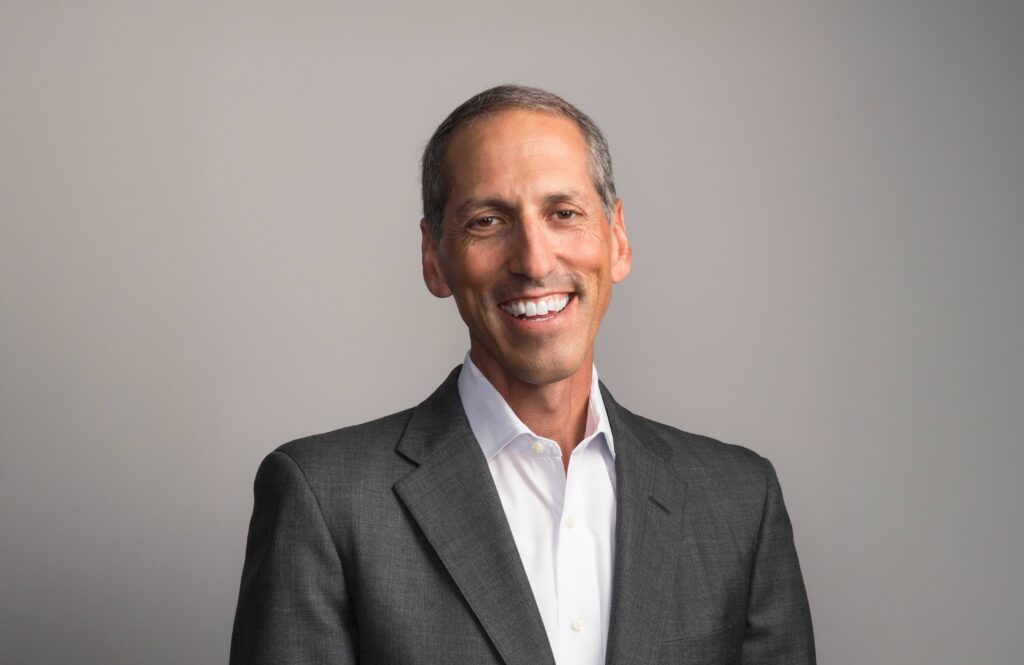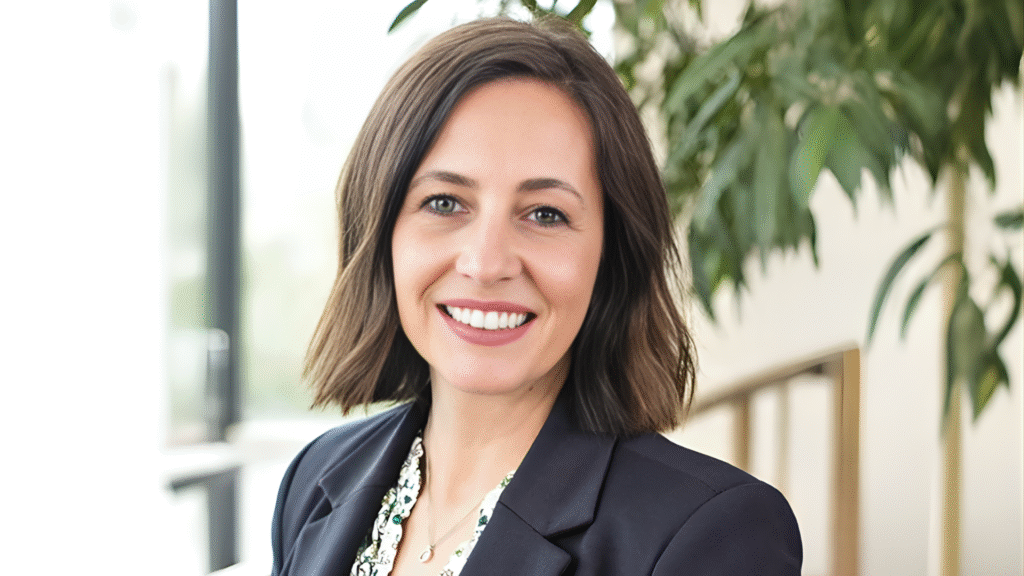

Bryan Wiener, a veteran entrepreneur who is now CEO of Profitero, an e-commerce software company that provides analytics for brands, shares his key leadership insights in this “Art of Leading” interview.
Q. What is your leadership playbook?
A. If I had to describe it in one word, my leadership philosophy is around alignment. It probably emanates from the fact that I started my career in business development. I was also a history major. In both those worlds, there are important lessons about maximizing shared interests.
I tell our teams that we need to be aligning our interests with our clients’ needs. And internally, we need to be really candid and transparent with each other about what we’re looking to do with our careers and what we want to accomplish individually, and then look for ways to maximize the alignment with what the company needs.
As I’ve built and run several companies, another approach I take is based on the acronym of STP, which stands for story, team plan. The first part is, how do we develop a simple story that people can understand? What space are we going to play in, and how are we going to win?
For the team part, I’m going to clearly define our culture and the behaviors that we want in ways that may make some people uncomfortable. But by being really clear about the expectations, then you can decide whether this is the right place for you.
And then it’s about getting our operating plan, our strategy, our mission, and our key priorities on one page. Then we challenge every employee to answer how what they are doing ladders up to that plan. And if it doesn’t, we give them explicit permission to raise their hand because it’s very possible we’re missing something, or maybe they’re working on something that’s not that important.
Q. And what are those key behaviors that you expect from people?
A. It starts with our values. One is to think like your customer. When I first inherited the company, we were thinking more about what we were doing and not reverse engineering our success from the customer’s perspective. The second is achievement over activity. And the third one is the idea that positivity is contagious.
I want people on the team who are high-energy but understated.
We also have behaviors that we live by every day. We’re looking for people who are high-energy, but calm. It’s not about nervous energy. I want people on the team who are high-energy but understated. We also want people who consistently do what they say they are going to do. And we want people who are self-confident but humble, and have demonstrated that they want to both learn and teach.
Q. How do you hire?
A. A big focus area for me is getting the alignment right at the outset. So I’ll often ask people, what is the next job you want after this job? And how do you think this job is going to get you there? I’m listening for whether this person is willing to really dig in on the work we need them to do, and that they want me to mentor and coach them to get to that next level. That’s a win-win.
Q. Can you talk more about the one-page plan? That act of simplification can be tricky for a lot of companies.
A. It comes down to priorities and process. I like to do a bottom-up, top-down exercise at the same time. So every fall, I’ll ask each group to think about their most important annual OKRs (objectives and key results) for the next year. At the same time, the executive leadership team does its top-down approach for that exercise. Once you compare them all, then you can refine the key handful of priorities for the company, and also figure out what doesn’t need to be done or could be done later. As with everything else, what you say no to is just as important as what you say yes to.
Q. How do you make sure your leadership teams operate like true teams?
A. It starts with clarity about the behaviors you expect, which I mentioned earlier, and that includes telling people they have to talk to each other to work out problems. And that’s why getting clarity about alignment and shared interests is so important. We publish our OKRs on a quarterly basis, and all the department heads have to review each other’s OKRs—not in granular detail, of course, but enough to understand what everyone needs from each other.
That helps eliminate misunderstandings about what people’s priorities are, but you have to have that transparency from the outset and ensure there are no surprises. I also try to provide as much context as possible for the decisions we make, because that gets you much more understanding and buy-in from people.
Q. What were important early influences for you?
A. I grew up in the ’70s and early ’80s. I was the third of three kids, and my parents were kind of tired of parenting by the time I came along. I learned pretty quickly that I had to make things happen for myself. I didn’t go to camp, so the summer was basically whatever I made of it. I learned that if I stayed in the house, and if I didn’t do anything, nothing happened for me. There was no structure. If I wanted something good to happen, I needed to take control of it.
My dad always was questioning us and always asked us to question him and everything else. So I grew up pretty anti-authoritarian. If somebody didn’t explain why something should be true, then I never bought in. I didn’t take “Just do it” well, which is why I probably ended up becoming an entrepreneur, because I never would have been comfortable in a command-and-control environment.
That also helped me to start leading people, and young people in particular, at a young age, because I understood that they didn’t want to be told what to do, either. So I always think in terms of what, why, and how. We’ve got to explain what we’re doing, why we’re doing it, and how. It’s a good discipline for everything we do, and helps us make sure we are clear about the problem we’re trying to solve, why we’re solving it, and who’s going to benefit.
Join the conversation on LinkedIn.
Click here to download the article.
Recent