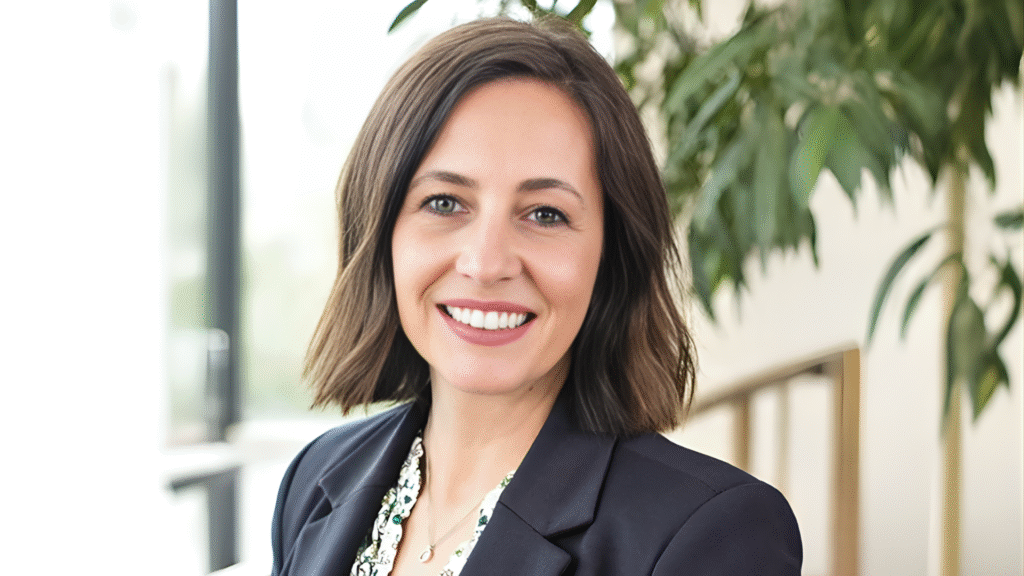
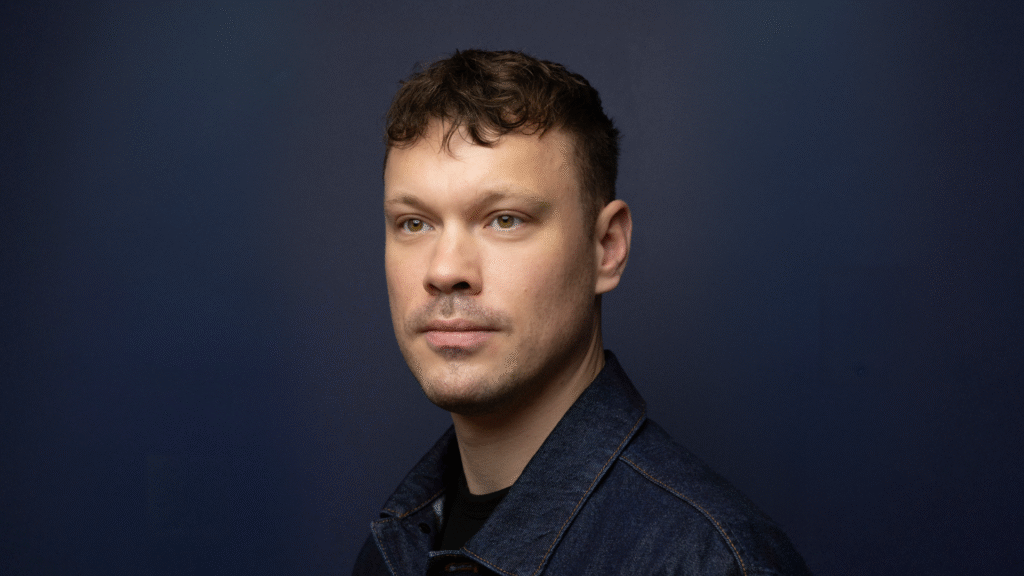
Cristina Finocchi Mahne, a veteran leader and director who now serves on the boards of companies such as Maire Tecnimont, Banco Desio, and DoValue, shares key leadership lessons with Anastassia Lauterbach and Adam Bryant in this “Leading Through Disruption” interview. Subscribe here to receive future interviews.
Lauterbach: What has been a change that you’ve seen in how boards operate?
Finocchi Mahne: In the past, CEOs have usually stayed in their roles for a long time. But in the last three years, in four of the six public companies where I am or was a director, we had to decide to change the CEO. That was very unusual. There is a new kind of leadership needed now, and I would define it as “caring.” It was important during the pandemic and it will be important for building sustainable businesses in the future.
We need CEOs to think outside the box and to have a very clear vision of the entire world. That means going beyond analyzing exclusively the economic and financial issues. As just one example, it can be interesting to ask candidates for CEO roles about a country like South Korea. The global perception is of a tech country. It also is emerging as a global cultural trendsetter, and yet it also is keeping a more conservative agenda on issues like social progress and gender equality. Giving space to a wider reflection, to be able to see the full context and nuances of a situation, is one of the key elements of the analysis now to select CEOs.
Bryant: What are key lessons you’ve learned from serving on boards?
Finocchi Mahne: The first thing is that the board is a team, and sustainable development must be the common goal. Usually, board members are divided between members who are really active and want to affirm their position no matter what, and members who are not active. So we need to be active, but at the same time, we need to find solutions to allow companies to proceed in the right and balanced way.
The new generations are exposed to completely different sources of information.
Second is the capability to continuously progress in competencies and experiences in different sectors and different fields, because having specific knowledge and competencies in only a few areas is not sufficient anymore to understand the complexity of the economic and social environment.
We also have to find ways to keep directly in touch with the new generation. At one of the companies where I’m on the board, I suggested creating an advisory board of members who were under 35, and it will be in place shortly. The new generations are exposed to completely different sources of information. We have to be in closer touch with them to better understand how they imagine the future.
Lauterbach: What is a key leadership lesson you’ve learned in your career?
Finocchi Mahne: The importance of long-lasting relationships based on common values that can move from a professional one to a kind of professional friendship. You need that kind of relationship to work through some of the challenges that boards and companies face today. Sometimes that involves compromise.
Bryant: What were important early influences for you?
Finocchi Mahne: During high school, I thought that I wanted to become a doctor. But I realized that, for me, in order to be able to make a significant contribution to society, it was really important to be connected with the changing reality every day. As a medical doctor, you deal with a very specific area. Economics, business, and social sciences provide a broader and more impactful view.
Lauterbach: Do you see any changes in how female directors are getting recruited?
Finocchi Mahne: Definitely there is an evolution. For example, in Italy, since 2012, we have a law that now requires that the underrepresented gender make up at least 40 percent of public companies board. Since it came into force, it has triggered a significant increase of the average level of the competencies for all board members, as noted in the annual report of Consob, the Italian financial market authority. I’m seeing more board committees being chaired by women, too. And when the committees are chaired by women, I believe the dialogue with the CEO tends to be stronger and also smoother.
Join the conversation on LinkedIn.
Click here to download the article.
Recent