Art of Leading
When I Hire, I Look For People Who Are More Interested In The Team Than Themselves
Art of Leading
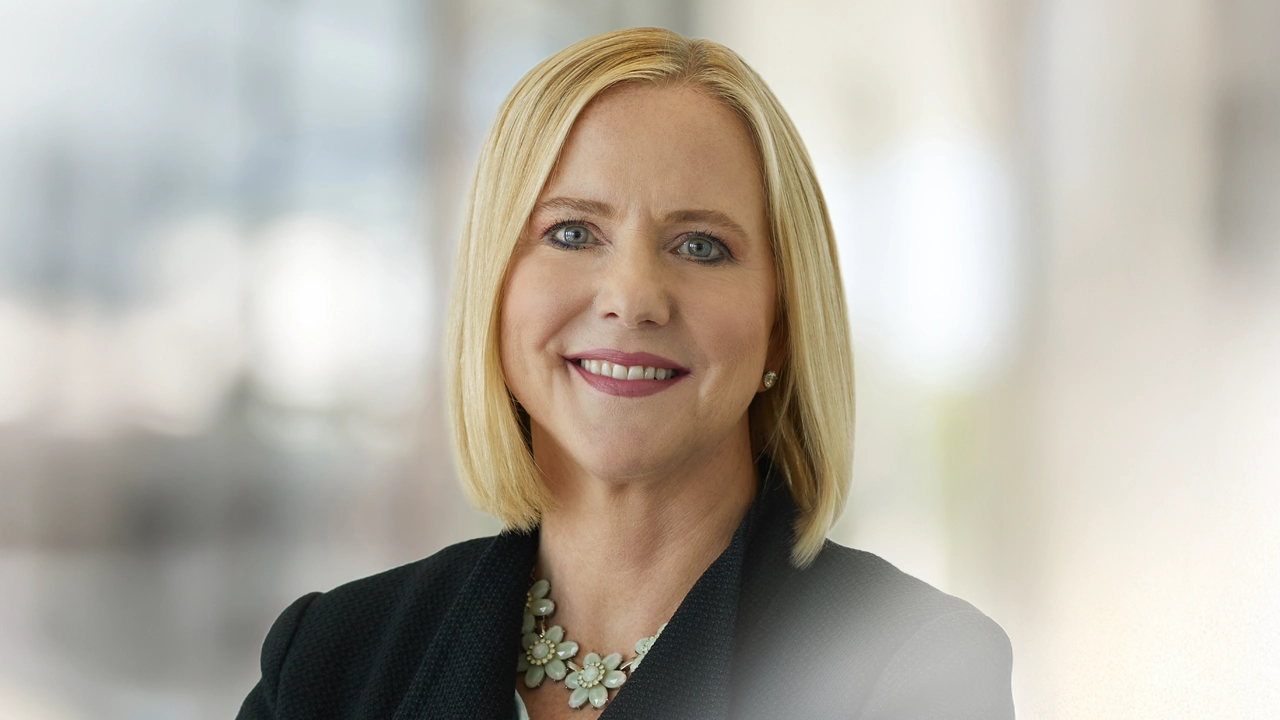
Lori Goltermann, CEO of North America and Global Regions for Aon, shared her key leadership insights with Adam Bryant and David Reimer in the latest “Art of Leading” series interview. Lori explores the foundation in which leadership is built, clear vision and strategic alignment, and talent development.
Q: What are the core pillars of your approach to leadership?
A: The first is building trust and authenticity. If you are willing to take the time to really get to know the whole person and are willing to do the work that you’re asking your own teams to do, you can accelerate your team’s performance. Performance moves at the speed of trust.
Second is setting a clear vision that inspires people with purpose and passion. When leading so many different generations in the workforce today, I prioritize making the time to connect with people and ask them, do they see themselves in our strategy? Are they inspired by it to do their best work?
You have to take the time to talk to people, both out in the field and within your own walls, to get their honest feedback on whether the strategy is resonating. You need everyone to be connected to the vision to ensure the wheels are moving forward in the same direction.
The third would be empowerment. Some of my most rewarding moments are those when I discovered something within someone on my team that maybe they didn’t even realize was one of their best qualities. Sharing unexpected, positive observations can make such a difference in morale and confidence.
Q: To your second point, setting a clear vision is a tricky art form. It has to be simple but not too simple.
A: I’ve learned over time that if the team doesn’t understand the vision and is not behind the vision, then you’re not going to achieve your goals. So once our strategy is set, one of the first things that we prioritize are team sessions where we talk openly about our strategic North Star, and how to get there.
What does success look like—for our clients, for our employees, and for the overall financial performance of the firm? Every time I’ve done that, I’ve learned new ideas about how our teams can be even more connected and how to better cascade that message to everyone throughout the company.
If your team isn’t performing well, assess if your vision is clear and if the team is marching in the same direction. You have to listen carefully and be willing to adjust and admit when the strategy isn’t clear.
Q: Let’s go to your third point about talent spotting and recognizing that certain people have greater potential than they may realize. What qualities are you looking for?
A: I’m looking for people who are more interested in the team than themselves. They’re willing to put their effort into giving back to the firm, giving back to their team, and making sure that they are executing with excellence and continuous learning.
When I’m interviewing someone, I’m also trying to understand how self-aware they are. Do they know what their superpower is? What is it that only they can do? I call it the “but for…” test. So I like to ask, tell me the stories about what you’ve accomplished in your career that, but for you, wouldn’t have happened?
Q: What other questions do you like to ask in job interviews?
A: I ask people to paint a picture of what a great week looks like for them. In their answer, you often learn what motivates and inspires them. And then you ask yourself, does that description match the job that they’re applying for? I also ask, what attracts you to our industry and this particular job? I’m looking to see if they’ve done their homework.
Then my last question is, what do you think will be your gap to being successful in this job? I want them to be successful as fast as possible, but no one is perfect, so you’ve got to surround yourself with team members who complement you. So, do they know what that gap is? Have they been getting feedback that makes them self-aware of that gap? If they don’t know, that’s usually something I pay attention to.
Q: How do you complete the sentence, “The hardest part of leadership is…”?
A: Leading the five generations in our workforce today and making sure I’m adjusting my leadership style to serve them. I have to understand their various points of view and make sure I’m addressing them differently, in terms of what inspires them and what they need. You have to adjust your style to attract and retain the best talent. Because at the end of the day, if you don’t have the best talent, your strategy is never going to work.
Q: What career advice do you give to people just starting out in their careers?
A: The first thing I say is, do you understand the overall strategy and how the work you are doing every day ladders up to it? I’d also advise them to avoid only thinking about how to personally get ahead. Instead, how do you help your boss meet the objectives of the firm by taking something off of their plate or helping them with an important project? Lastly, ensure that you always deliver for the sake of your team. Always collaborate and never miss a deadline.
Q: The idea of personal accountability and ownership is clearly important to you.
A: Yes, it’s important me to have ownership and personal accountability and I think it directly correlates to performance. But I’ve learned that if you don’t share the feeling of executing with the team, then you’re not giving full power to the team to be part of that success.
I’ve made mistakes over the years where I have focused too much on the outcome. I may have delivered, but I didn’t take my team with me. Individual credit is not the road to success. It’s never an individual game. Winning is and should be shared.