Art of Leading
“You Have To Keep Pushing Hard On Being Differentiated And Opinionated In Your Space”
Art of Leading
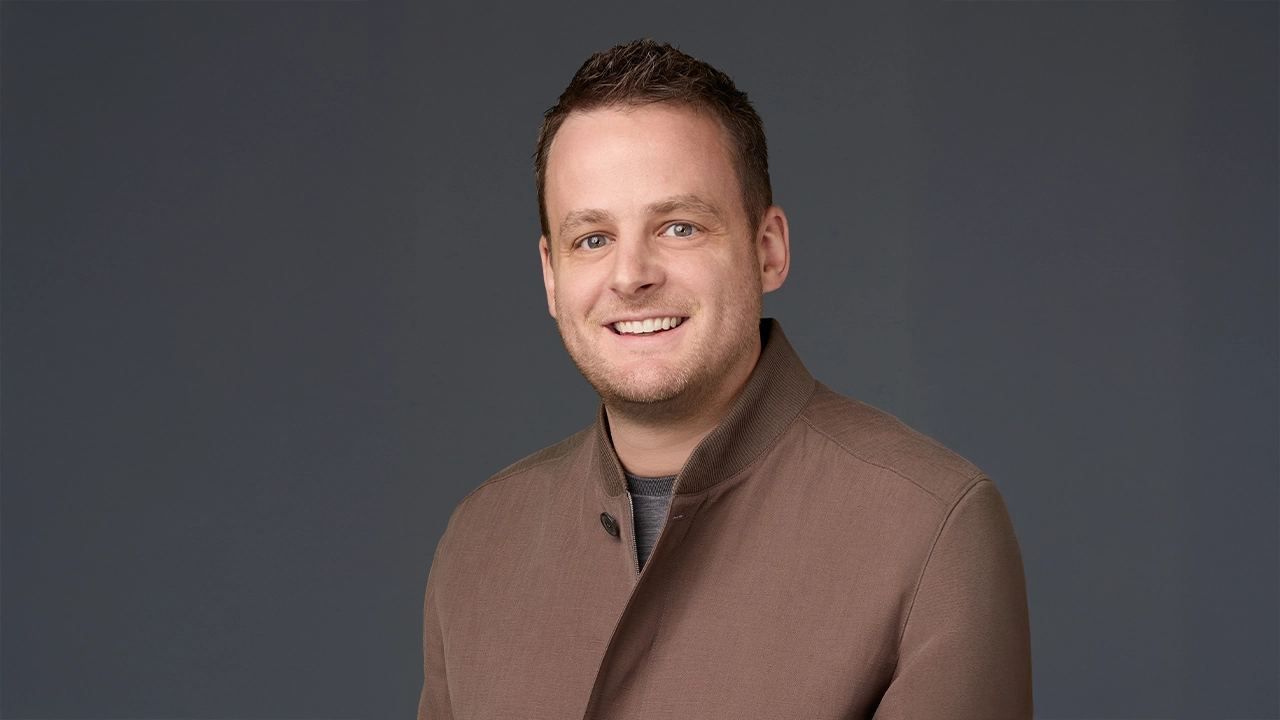
Jason VandeBoom, founder and CEO of ActiveCampaign, shares his leadership insights in a conversation led by Adam Bryant. Key themes include the importance of staying close to the craft, customer engagement, and being strategically opinionated. VandeBooom emphasizes the necessity of remaining connected to the core activities of the business and maintaining a clear vision to differentiate in the market.
Q. What is core to your leadership playbook?
A. There are three things that all sound surface-level, but the nuances of staying true to them is actually really hard. The first thing, which was easy to do early on, was to stay extremely close to the craft. It’s something I feel like I need to do every day. And every leader in the business needs to understand the craft.
That sounds obvious, but over time, people will want to push you, as the CEO, out of that. I think there’s a lot of false views about autonomy and all these well-intended human behaviors of trying to help enable people. But you also have to understand the craft.
The second one is staying close to the customer. For the longest time, I’ve read every single piece of feedback we get. There’s not a day that goes by where I don’t take a small customer interaction to one of my leaders. I’m not bringing it deep into the company, but I want to ensure everyone in leadership here is staying close the customer.
I know that is the most generic and overused leadership principle. But you have to intentionally go after it every day. You have to do the work, and people have to let you do it, as well. It’s the same as with craft. A lot of people will try to take that away from you. It’s not ill-intended, but I think that happens a lot in companies.
Lastly, you have to stay extremely close to the product in a very opinionated way. You see all these stories about businesses that start to take off, and then something happens. There’s a fizzling moment. What actually happens?
To get customers in the first place, you start with an opinionated point of view. You start scaling. All of a sudden, you’re getting further away from the craft and the customers. And then, from a pure, well-intended risk-behavior standpoint, you’re not as opinionated as you once were. You become more watered down, which creates the opportunity for a new business to come in to take share from you and reinvent the space.
You have to constantly be flirting with this idea of being strategically opinionated. A lot of your stakeholders will want to push you to more of a safe place. That’s very dangerous. Being strategically opinionated means that not everyone internally or externally is going to be excited about what you’re doing. You have to keep pushing hard on being differentiated and opinionated in your space.
Q. Let’s go back to your first point about saying close to the craft. It is a balancing act. As the CEO, you have to delegate and let go of some of the things you love doing, no?
A. We’re at about 1,000 employees now. And as we’ve grown, plenty of people have told me to stop doing certain things. But what am I doing in life if I remove all the things I love doing? That would be a pretty sad role.
I approach it in two different ways. I always share with folks here that I will go deep sometimes, and it might be a challenge that I’m trying to better understand. That’s when I become like water, and if there’s a potential crack somewhere, I’m going to seep into even the tiniest details.
In any organization, there can be a game of telephone tag that occurs if you allow people to get in the way of a customer and yourself. And that’s extremely dangerous.
I also think the idea of micromanagement and autonomy are the most incorrectly defined and misused terms. It doesn’t come from a bad place. I fundamentally think that people mean well. But you have to go back to the idea of what makes a company unique, and what makes a business unique. The smallest details are a big part of it.
I studied fine arts in college, and I relate a lot of things back to art. When you are looking at and comparing art, you are looking at very small things that required a lot of intention and care. They can be the most minimal details, but those are the things that make someone feel different about a particular piece of art.
As a leader, you don’t want to get out of the details so that you’re away from the small things that matter a lot. You’re in those details so that others will understand the importance of pushing on the opinionated nature of the craft. What you’re ultimately trying to do is get someone to understand what happens around them. And this goes back to staying close to the customer, because if you bring everything back to the customer, that makes it unarguable every single time.
Q. What were important early influences for you?
A. I grew up in rural Wisconsin. I was fortunate to get a computer when I was quite young, and I got into coding. I also saw the drive of my parents. My dad had multiple jobs, including small businesses. Part of me thought, I have to do that too, because that’s what life is about. I saw the care and craft they put into their small businesses.
In high school, I helped the school create a work-study program. So I went to school half-time for the last couple of years, and I also worked at a dial-up internet company. I did programming and design work. They didn’t pay me much. I just wanted to learn.
The only college I could really afford that accepted me was in Chicago. I had to figure out how to pay for it, so that’s when I started ActiveCampaign. I wanted to do something that I enjoyed rather than getting a traditional job to pay for school.
Q. How do you hire?
A. Too many people treat hiring like a sales process. So I go out of my way to bring more ugly than less into the conversation and share real situations that we’re dealing with. It’s hard to do, because both sides are selling. But by bringing in the ugly, it allows you to have more of a real conversation.
From there, I’m trying to determine the degree to which the person operates in a “theater of work” mode. Can they really dig into the details and talk about what needs to be done? Or do they see themselves as more of a conductor and they think others should do the actual work? Every business of a certain size has a certain amount of theater of work, but I try to minimize it.
Q. What do you find to be the hardest part of leadership?
A. The hardest part is fighting the urge to reframe your opinions and thoughts in ways that water down the conversations. All too often, the easy path in leadership is watering things down. It’s the opposite of being opinionated. It’s the opposite of taking bold steps and taking a stand. Those are the exciting things. Those are what make businesses amazing.